Kareena Kapoor, known for her bold and dynamic roles in Bollywood, recently praised fellow actresses Deepika Padukone and Kangana Ranaut for their resilience and determination in demanding better pay and roles in the film industry. Speaking at a recent ABP conclave, Kareena highlighted the significant strides made by actresses like Deepika Padukone, Kangana Ranaut, and Vidya Balan, who have all...
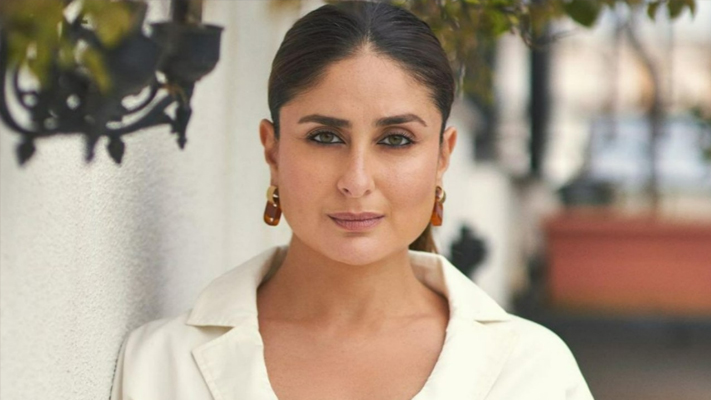
Kareena Kapoor, known for her bold and dynamic roles in Bollywood, recently praised fellow actresses Deepika Padukone and Kangana Ranaut for their resilience and determination in demanding better pay and roles in the film industry. Speaking at a recent ABP conclave, Kareena highlighted the significant strides made by actresses like Deepika Padukone, Kangana Ranaut, and Vidya Balan, who have all played pivotal roles in reshaping the narrative for women in films.
According to Kareena, these actresses, including herself, have pushed boundaries by choosing roles that transcend mere screen presence. “I think it has changed because a lot of strong women have done a lot of strong parts in films. They have done films that have been loved by the audiences, by the masses, by the film people, by critics, and at the box office,” she shared.
Kareena Kapoor also emphasized the impact of demanding roles that challenge the status quo, stating, “So, whether it’s leading actresses like Kangana Ranaut, Vidya Balan, Deepika Padukone or myself, we’ve always tried to stand for roles that have risen above just being there in the film. So, all has changed a lot of dynamics on many levels, like demanding a certain role, a certain fee, or position.”
The actress also addressed the prevailing stereotype around age in the film industry, emphasizing that age is merely a number. She expressed gratitude towards the evolving mindset of the audience, stating, “Today the audience has become accepting. Age is just a number, it’s as old as you look, you have to be fit, you have to look good, because it’s a visual medium so we have to look after ourselves.”
Reflecting on her journey, Kareena Kapoor shared her contentment with her current phase in life, stating, “I don’t want to ever be a 21-year-old again, I’m very happy. At 21, I was so much more hyper, and anxious and I’m much calm, and I’m in a happy place in my 40s.”
Kareena Kapoor is now gearing up for the release of “Crew,” a film co-starring Tabu and Kriti Sanon. The actress also made her debut in the OTT space with the 2023 Netflix film “Jaane Jaan.”
With her unwavering stance on demanding better roles and pay, Kareena Kapoor continues to inspire a new generation of actresses to challenge conventions and carve their own paths in the film industry.
Eclipsed Glory: Kamal Amrohi’s Masterpiece That Won Acclaims but Lost Him Everything
The records of Bollywood history are filled with tales of passion, controversy, and tragedy. Among the legendary figures, the life of Bollywood actress Meena Kumari stands out, and woven into her narrative is the equally compelling story of her then-husband, director Kamal Amrohi. Marriage and Controversies: Meena Kumari and Kamal Amrohi exchanged vows on February 14, 1952, in a...
The records of Bollywood history are filled with tales of passion, controversy, and tragedy. Among the legendary figures, the life of Bollywood actress Meena Kumari stands out, and woven into her narrative is the equally compelling story of her then-husband, director Kamal Amrohi.
Marriage and Controversies: Meena Kumari and Kamal Amrohi exchanged vows on February 14, 1952, in a union that would become as notorious as it was iconic. Intriguingly, Kamal was already married, with children from his first marriage. The initial years of their marriage were engulfed in whispers of turmoil, with reports surfacing about Meena Kumari grappling with an invasion of privacy both in her personal and professional life.
adsplacement
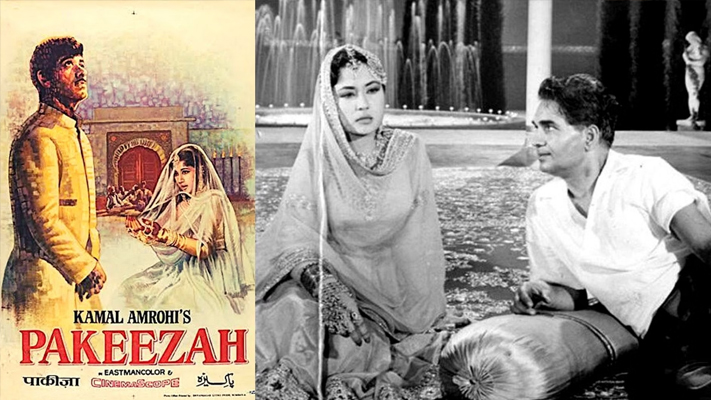
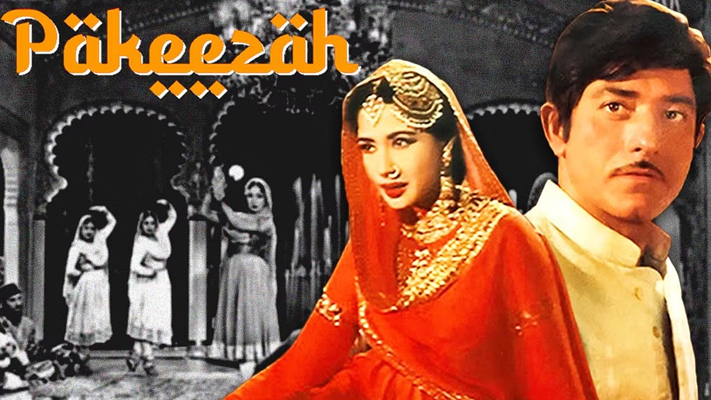
The Pakeezah Conundrum: The pinnacle of their union was Kamal Amrohi’s ambitious project, “Pakeezah,” a film envisioned for Meena Kumari. However, the trajectory of this cinematic masterpiece was far from smooth. The film took a staggering 15 years to complete, mirroring the tumultuous relationship of its lead actors. This prolonged period saw Meena Kumari drowning in alcoholism and reportedly engaging in a brief affair with a leading actor.
Amid the strife, the couple parted ways in 1964 after enduring 12 years of a toxic marriage. Following the divorce, Meena Kumari’s health took a toll, diagnosed with liver cirrhosis. While receiving treatment in London and Switzerland, she defied medical advice and returned to India, resuming the shooting of “Pakeezah.”
adsplacement
The Price of Success: “Pakeezah” eventually released on February 4, 1972, marking a cinematic triumph for Kamal Amrohi. However, the joy was tinged with sorrow. Meena Kumari, the enigmatic actress who poured her heart and soul into the film, was inching toward her untimely death. The film’s success, hailed as Kamal Amrohi’s crowning achievement, overshadowed the personal cost exacted during its creation.
On March 31, 1972, Meena Kumari breathed her last breath, leaving behind a legacy of unparalleled artistry and tragic love.
adsplacement
Legacy and Reflection: The legacy of “Pakeezah” endures as a testament to Kamal Amrohi’s visionary directorial skills. While the film garnered nationwide accolades, it came at the profound cost of losing Meena Kumari. Kamal had won the praise of audiences and critics alike, but he had also lost his wife and an extraordinary actress.
In the trivia of Bollywood’s golden era, the love saga of Meena Kumari and Kamal Amrohi stands as a poignant chapter—a tale of passion, controversy, and ultimately, the heavy price paid for artistic brilliance.
When Kareena Kapoor’s Wardrobe Outshone an Entire Movie Budget
Ever wonder about the jaw-dropping costs behind the glitz and glamour of Bollywood? Well, here’s a nugget of movie trivia that might leave you wide-eyed. In the realm of film finances, Director Madhur Bhandarkar once found himself in a peculiar situation – the budget allocated for Kareena Kapoor’s wardrobe in the movie “Heroine” exceeded the entire budget he had set...
Ever wonder about the jaw-dropping costs behind the glitz and glamour of Bollywood? Well, here’s a nugget of movie trivia that might leave you wide-eyed. In the realm of film finances, Director Madhur Bhandarkar once found himself in a peculiar situation – the budget allocated for Kareena Kapoor’s wardrobe in the movie “Heroine” exceeded the entire budget he had set aside for his debut film, “Chandni Bar.”
Once in a candid revelation to a leading daily, Madhur spilled the beans on the staggering expenses involved in crafting the perfect look for Kareena Kapoor in “Heroine.” He cheekily recounted telling Kareena that the cost of her wardrobe in the film surpassed the entire budget he had at his disposal for his first venture, “Chandni Bar.”
Recalling the challenging journey of his debut film, Madhur shared, “My first film did not work, so there was a lot of pressure on me, but I was hell-bent on making the film the way I wanted to. I made the movie on a very small budget.” This small budget, as it turns out, was notably smaller than what Madhur humorously spent on Kareena’s wardrobe in “Heroine.”
Back in 2012, Madhur Bhandarkar even took to Twitter to playfully highlight the stark contrast, stating, “I made Chandni Bar in 2001 with 1.5 crores which today, a decade later, is #Heroine’s costume budget for Kareena! How times have changed!” The revelation not only sheds light on the evolving dynamics of film budgets but also adds a touch of glamour to the behind-the-scenes intricacies of Bollywood.
As we reminisce about the extravagant looks that Kareena Kapoor adorned in the intense drama “Heroine,” it’s fascinating to note how the cost of her wardrobe surpassed the entire financial canvas of Madhur Bhandarkar’s maiden film. Talk about the dazzling price tags that come with the glitzy world of cinema! Interestingly, despite the sartorial splendor, “Heroine” fizzled out at the Box Office upon its release.
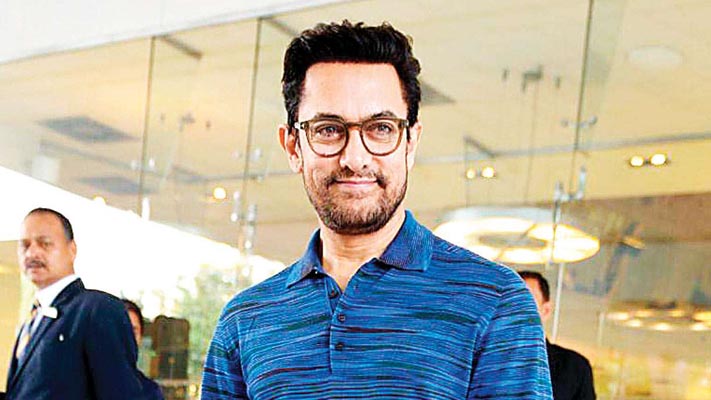
In the film industry, every star goes through a dark period. Aamir Khan is no exception. Aamir Khan is without a doubt one of Bollywood's biggest stars, and he has been producing successes after smashes since his debut. He is regarded as one of the most 'Perfectionists' in the film industry. Did you know that the superstar, who is famed...
In the film industry, every star goes through a dark period. Aamir Khan is no exception. Aamir Khan is without a doubt one of Bollywood's biggest stars, and he has been producing successes after smashes since his debut. He is regarded as one of the most 'Perfectionists' in the film industry.
Did you know that the superstar, who is famed for producing movie office blockbusters, was previously dubbed "One Film Wonder" by the press? Aamir has opened out about his failures before achieving stardom.
Following Qayamat Se Qayamat Tak, he remarked, "I signed approximately eight or nine films based on stories because the directors were all fresh and unknown at the time." As a result of these films' success, I was dubbed a "one-film wonder" by the media. My career was on the decline. I felt as though I were stuck in quicksand. I was in a bad mood. "I used to cry when I got home," Aamir explained.
The actor went on to say that the individuals he wanted to work with were not interested in signing him, and that the films he was making were not financially successful.
After going through a particularly trying period, he told himself that he would not sign any film unless he was completely convinced.
"I went through my weakest period in my life throughout the first two years of QSQT. One by one, the films I had signed began to be released and flopped. So, knowing how horrible my other unpublished films were, I was like, 'I'm done, there's no way I can survive this onslaught.' "Aamir added. He went on to say that he was ready to call it a day on his film career, but that he was still determined to work with outstanding directors, screenplays, and producers. And this is what we call "perfect resolve," which Aamir demonstrated throughout a difficult period and helped him establish himself in the profession.
Everyone who is a fan of his performance is looking forward to his upcoming film, 'Lal Singh Chaddha.' Kareena Kapoor Khan also appears in the film. The movie is a Hindi remake of the classic Hollywood movie 'Forest Gump.'
Guinness Glory: Why Hrithik Roshan’s Debut ‘Kaho Naa Pyaar Hai’ Secured a World Record
Did you know that Hrithik Roshan’s Bollywood debut in “Kaho Naa Pyaar Hai” not only marked the beginning of a stellar career but also etched its name in the prestigious Guinness World Records? .‘Kaho Naa.. Pyar Hai’ was added to the Guinness Book of World Records 2002 edition for winning the most number of awards for a movie. The movie...
Did you know that Hrithik Roshan’s Bollywood debut in “Kaho Naa Pyaar Hai” not only marked the beginning of a stellar career but also etched its name in the prestigious Guinness World Records? .‘Kaho Naa.. Pyar Hai’ was added to the Guinness Book of World Records 2002 edition for winning the most number of awards for a movie. The movie won a total of 92 awards!
adsplacement
Double Triumph at Filmfare Awards: “Kaho Naa Pyaar Hai” earned Hrithik Roshan a unique distinction at the Filmfare Awards. He became the only actor to clinch both the Best Actor and Best Debut awards for the same film, setting a remarkable milestone in the industry.
Guinness World Records Entry: The film’s exceptional success didn’t stop there. According to media reports, “Kaho Naa Pyaar Hai” was featured in the 2002 edition of the Guinness Book of World Records for achieving the remarkable feat of winning the most number of awards. With a total of 92 awards, the film solidified its place in cinematic history.
adsplacement
Limca Book of Records Acknowledgment: Not only did the film make its mark in the Guinness World Records, but it also found a place in the Limca Book of Records in 2003. The acknowledgment came for winning the highest number of awards, further highlighting the widespread acclaim and recognition garnered by “Kaho Naa Pyaar Hai.”
24 Years of Iconic Status: Celebrating its 24th anniversary, “Kaho Naa Pyaar Hai” remains more than just a film—it’s an enduring experience. The movie not only launched Hrithik Roshan into stardom but also marked the debut of Bollywood diva Amisha Patel. The timeless appeal of its songs and the film’s status as a trendsetter continue to resonate with fans, making it a cherished piece of cinematic history.
adsplacement
“Kaho Naa Pyaar Hai” not only introduced a captivating actor to the industry but also secured its place in world records, leaving an indelible mark on the hearts of Bollywood enthusiasts.