
MANMOHAN DESAI’S CHANGED CLIMAX IN ‘COOLIE’ AFTER AMITABH BACHCHAN’S ACCIDENT – REDEFINED STARDOM

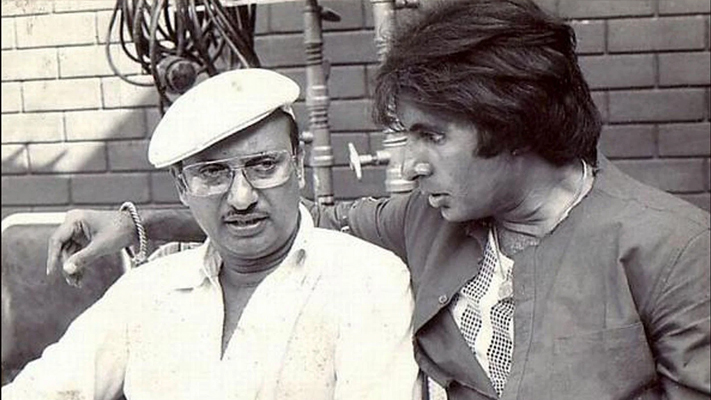
In the annals of Bollywood history, Manmohan Desai’s 1983 film “Coolie” stands out not just for its cinematic storytelling, but for the dramatic twist of fate that altered its course. At the heart of this story lies the legendary actor Amitabh Bachchan, whose near-death accident during filming led to a significant change in the film’s climax, redefining the understanding of stardom in Indian cinema.
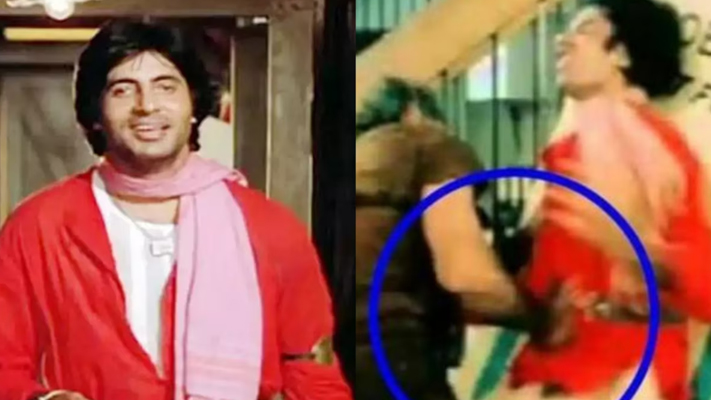
The summer of 1982 was a tumultuous time for Amitabh Bachchan and his legion of fans. On the sets of “Coolie,” a seemingly routine action sequence turned into a nightmare as Bachchan suffered critical injuries. The actor, revered like a deity by many, was flown from Bangalore to Mumbai, where he was clinically dead for a few harrowing minutes before being revived by doctors. The incident brought the film industry to a standstill, shaking the very foundation of what it meant to be a star.
With “Coolie,” Manmohan Desai had envisioned crafting the biggest film of its genre, what was then termed a ‘Muslim social’. The film, featuring Bachchan at the pinnacle of his stardom, was eagerly anticipated by audiences. However, fate had other plans. The accident forced Desai to reevaluate the narrative, particularly the film’s climax. Initially centered around the character of Iqbal (played by Bachchan), whose mission was to rescue his abducted mother, “Coolie” took a different turn after the accident.
Desai made the daring decision to pivot the film’s focus to Bachchan himself, acknowledging the sentiments of a nation in shock. In an interview with Filmfare, he revealed, “Audiences would have been very disappointed if after the accident Amitabh was shown dying at the end of Coolie.” Thus, the climax was rewritten, transforming it into a tribute to Bachchan’s survival and resilience.
A poignant moment in the film, marked with text and freeze frames, immortalized the scene of Bachchan’s injury. It served as a reminder of the mortal nature of those who inhabit the world of cinema, despite the god-like status bestowed upon them by adoring fans.
When Bachchan returned to the sets of “Coolie,” it was nothing short of a jubilant celebration. Over a lakh people gathered to witness his resilience, with Rishi Kapoor recalling the grandeur of the occasion in his memoir “Khullam Khulla.” The first scene Bachchan chose to film upon his return was the very one where he had fallen, showcasing his undaunted spirit.
The altered perception of “Coolie” became a testament to Bachchan’s enduring stardom. For fans, it was more than just a film; it was a symbol of the man who defined an era of cinema. The love and euphoria surrounding Bachchan propelled “Coolie” to become the highest-grossing film of 1983, a testament to the unyielding bond between star and audience.
Today, “Coolie” remains a poignant chapter in Bollywood history, reminding us of a time when cinema transcended mere entertainment to become a reflection of the triumph of the human spirit. While its impact may have softened over the years, its legacy endures as a testament to the indomitable spirit of Amitabh Bachchan and the power of cinema to unite and inspire.