SHAH RUKH KHAN IN ‘DEVDAS’: WHY BHANSALI BELIEVES TODAY’S ACTORS CAN’T MATCH UP TO HIS GRANDEUR
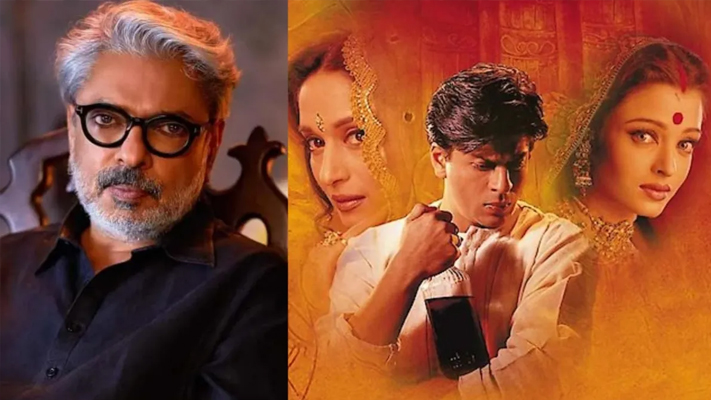
Sanjay Leela Bhansali is a director known for creating unforgettable cinematic experiences. His films, such as “Devdas,” “Bajirao Mastani,” “Padmaavat,” “Goliyon Ki Raasleela Ram-Leela,” “Hum Dil De Chuke Sanam,” and “Gangubai Kathiawadi,” are famous for their grand sets and magical storytelling. Bhansali’s impeccable casting choices also ensure his movies are always a hit.
In a recent chat with Bollywood Hungama, Bhansali shared his thoughts on how filmmaking has changed over the years. He praised the fresh vision of modern filmmakers who are willing to take risks and explore new ideas. “Cinema has changed, and so have techniques,” he said. “Directors now view films differently, and scriptwriters are creating varied and unusual roles. It’s an exciting time for Indian cinema with great films and wonderful work being done.”
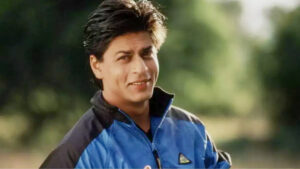
Bhansali then reflected on his 2002 masterpiece “Devdas,” starring Shah Rukh Khan, Aishwarya Rai, and Madhuri Dixit. He proudly discussed how the cast’s performances were exceptional and challenging to replicate today. “The tone of ‘Devdas’ was high-pitched and operatic, difficult to perform,” Bhansali explained. “Today’s actors are often asked to be more subtle. What Shah Rukh, Aishwarya, Madhuri, and Kirron Kher achieved in ‘Devdas’ demanded a deep understanding of acting techniques, handled brilliantly by Shah Rukh.”
Bhansali also revealed his long-standing admiration for Madhuri Dixit, expressing his desire to work with her on multiple films. “I was obsessed with her and waited 2.5 years to cast her in ‘Khamoshi,’ but it didn’t happen. I tried again with ‘Hum Dil De Chuke Sanam’ but finally succeeded with ‘Devdas’.”
Sanjay Leela Bhansali’s dedication to his craft and his ability to adapt to the changing landscape of cinema continue to make him a legendary figure in Bollywood.
Recommended Articles

Dilip Kumar’s “Mughal-e-Azam”, released in 1960, holds a special place in the history of Indian cinema as the first Bollywood film shot in three languages. Directed by K. Asif, the magnum opus, featuring Prithviraj Kapoor, Madhubala, and Dilip Kumar, began its ambitious journey in 1944 and faced numerous challenges before making it to the big screen 16 years later.
This cinematic masterpiece, initially released in black-and-white, achieved iconic status and, in 2009, underwent a re-release in colour print. The film’s timeless narrative, coupled with its opulent production, resonates with audiences even today, making it a cult classic in the period drama genre.

What sets Mughal-e-Azam apart is the lesser-known fact that it was a trilingual film, shot in Hindi, Tamil, and English. While the Hindi version soared to great heights, the Tamil version met with an unexpected setback at the box office, leading to its commercial failure. Surprised by this turn of events, the makers decided not to release the English version, abandoning the idea altogether.
The film’s journey, marked by hurdles and triumphs, reflects the dedication and vision of its creators. Despite facing challenges, Mughal-e-Azam remains an enduring masterpiece, with every aspect of the epic, from its dialogues to its songs, holding a special place in the hearts of film enthusiasts. This trilingual experiment, although not without its setbacks, adds another layer to the rich tapestry of Mughal-e-Azam’s cinematic legacy.
Recommended Articles

Sunil Dutt, the cool and charming Bollywood hero, surprised everyone by becoming a baddie on the big screen! He wasn’t just the romantic hero; he aced the role of a villain, playing a dacoit (bad guy) in a whopping 20 movies during his awesome career.
Remember “Mother India” in 1957? That’s where it all began. Dutt took on the challenge of playing Birju, a rebellious son, proving he’s not your typical goody-two-shoes hero. But wait, there’s more! He didn’t stop there; he ventured into the dacoit genre, bringing a whole new vibe to those bad guy roles.

Movies like “Gauri,” “Mujhe Jeene Do,” and “Mera Saaya” showcased his bad-boy skills. But here’s the twist – Dutt didn’t play your regular one-dimensional villain. Nope, he added layers to these characters, making you feel for them and think about right and wrong.
One of his top-notch performances as a bad guy was in “Pran Jaye Par Vachan Na Jaye” in 1974. He played a tough dacoit with shades of gray, making us question who the real good guys are.
Sunil Dutt didn’t just act; he changed the game in Bollywood. Back in the day, actors were stuck in one type of role, but not Dutt. He broke free from the hero stereotype, showing future actors that it’s cool to experiment with different characters.
Let’s celebrate Sunil Dutt’s legacy! He wasn’t just the smooth hero, not just the romantic lead. He was the guy who embraced the dark side, proving that real greatness lies in exploring all sides of life, even the shadowy bits people avoid. Sunil Dutt wasn’t just a Bollywood hero; he was a master storyteller, adding cool layers to Indian cinema with every role he rocked.
Recommended Articles

The records of Bollywood history are filled with tales of passion, controversy, and tragedy. Among the legendary figures, the life of Bollywood actress Meena Kumari stands out, and woven into her narrative is the equally compelling story of her then-husband, director Kamal Amrohi.
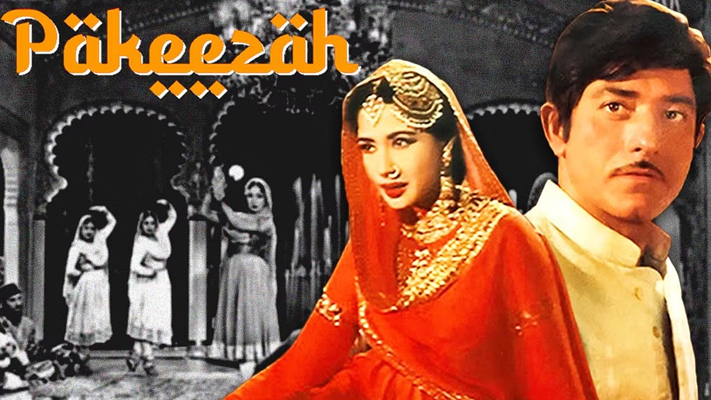
Marriage and Controversies: Meena Kumari and Kamal Amrohi exchanged vows on February 14, 1952, in a union that would become as notorious as it was iconic. Intriguingly, Kamal was already married, with children from his first marriage. The initial years of their marriage were engulfed in whispers of turmoil, with reports surfacing about Meena Kumari grappling with an invasion of privacy both in her personal and professional life.
adsplacement
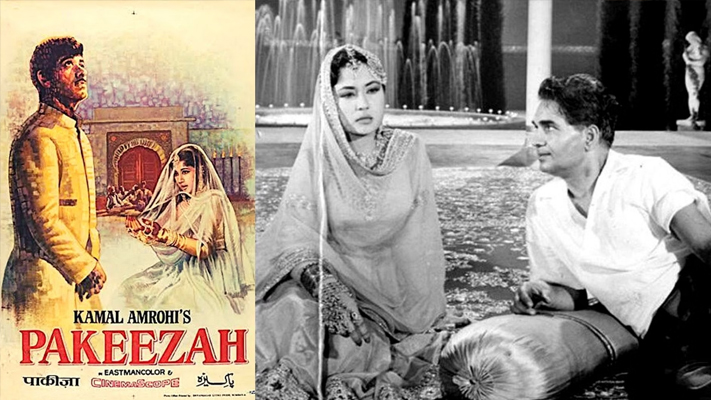
The Pakeezah Conundrum: The pinnacle of their union was Kamal Amrohi’s ambitious project, “Pakeezah,” a film envisioned for Meena Kumari. However, the trajectory of this cinematic masterpiece was far from smooth. The film took a staggering 15 years to complete, mirroring the tumultuous relationship of its lead actors. This prolonged period saw Meena Kumari drowning in alcoholism and reportedly engaging in a brief affair with a leading actor.
Amid the strife, the couple parted ways in 1964 after enduring 12 years of a toxic marriage. Following the divorce, Meena Kumari’s health took a toll, diagnosed with liver cirrhosis. While receiving treatment in London and Switzerland, she defied medical advice and returned to India, resuming the shooting of “Pakeezah.”
adsplacement
The Price of Success: “Pakeezah” eventually released on February 4, 1972, marking a cinematic triumph for Kamal Amrohi. However, the joy was tinged with sorrow. Meena Kumari, the enigmatic actress who poured her heart and soul into the film, was inching toward her untimely death. The film’s success, hailed as Kamal Amrohi’s crowning achievement, overshadowed the personal cost exacted during its creation.
On March 31, 1972, Meena Kumari breathed her last breath, leaving behind a legacy of unparalleled artistry and tragic love.
adsplacement
Legacy and Reflection: The legacy of “Pakeezah” endures as a testament to Kamal Amrohi’s visionary directorial skills. While the film garnered nationwide accolades, it came at the profound cost of losing Meena Kumari. Kamal had won the praise of audiences and critics alike, but he had also lost his wife and an extraordinary actress.
In the trivia of Bollywood’s golden era, the love saga of Meena Kumari and Kamal Amrohi stands as a poignant chapter—a tale of passion, controversy, and ultimately, the heavy price paid for artistic brilliance.

Recommended Articles

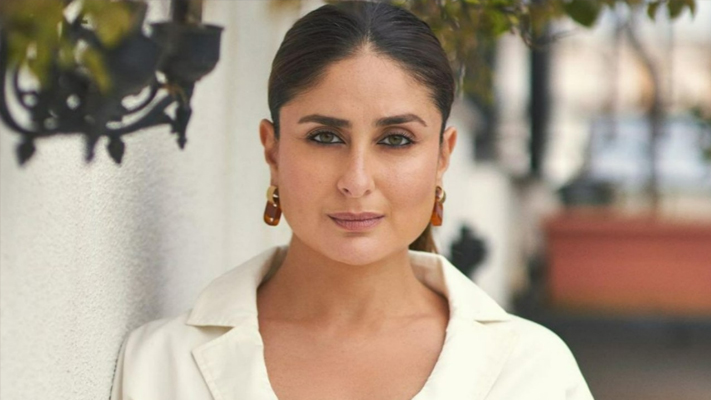
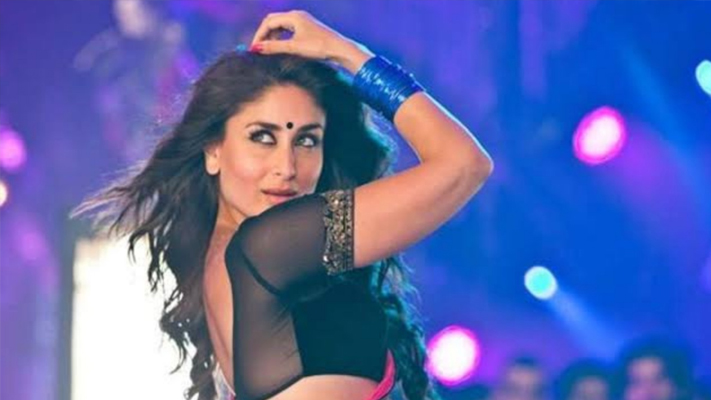
Ever wonder about the jaw-dropping costs behind the glitz and glamour of Bollywood? Well, here’s a nugget of movie trivia that might leave you wide-eyed. In the realm of film finances, Director Madhur Bhandarkar once found himself in a peculiar situation – the budget allocated for Kareena Kapoor’s wardrobe in the movie “Heroine” exceeded the entire budget he had set aside for his debut film, “Chandni Bar.”

Once in a candid revelation to a leading daily, Madhur spilled the beans on the staggering expenses involved in crafting the perfect look for Kareena Kapoor in “Heroine.” He cheekily recounted telling Kareena that the cost of her wardrobe in the film surpassed the entire budget he had at his disposal for his first venture, “Chandni Bar.”
Recalling the challenging journey of his debut film, Madhur shared, “My first film did not work, so there was a lot of pressure on me, but I was hell-bent on making the film the way I wanted to. I made the movie on a very small budget.” This small budget, as it turns out, was notably smaller than what Madhur humorously spent on Kareena’s wardrobe in “Heroine.”
Back in 2012, Madhur Bhandarkar even took to Twitter to playfully highlight the stark contrast, stating, “I made Chandni Bar in 2001 with 1.5 crores which today, a decade later, is #Heroine’s costume budget for Kareena! How times have changed!” The revelation not only sheds light on the evolving dynamics of film budgets but also adds a touch of glamour to the behind-the-scenes intricacies of Bollywood.
As we reminisce about the extravagant looks that Kareena Kapoor adorned in the intense drama “Heroine,” it’s fascinating to note how the cost of her wardrobe surpassed the entire financial canvas of Madhur Bhandarkar’s maiden film. Talk about the dazzling price tags that come with the glitzy world of cinema! Interestingly, despite the sartorial splendor, “Heroine” fizzled out at the Box Office upon its release.