BENEFITS OF CARDIO BEFORE WORKOUT
The benefits of cardio before a workout are many. Some of them are listed below.

Do you feel better on days when you don't work out? If so, it's likely because of the health benefits of cardio before working out. It is a proven fact that for many people, physical activity causes endorphins to be released in the brain. This is a natural hormone that creates feelings of well-being, happiness, and even euphoria. So if you are expecting to have productive days after exercising first thing in the morning, make sure to do some form of cardio before working out!
CONCENTRATION
In addition to positive moods from endorphins, another benefit is often an increase in energy levels. It's also beneficial to cardio before working out because it will make you feel so much better after a good night's sleep. In many cases, when people get enough sleep, they will then be able to concentrate on their workouts more effectively.

ENDORPHIN RELEASE: Cardio releases endorphins that create feelings of well-being and euphoria.
INCREASE IN ENERGY LEVELS: So many people report increased energy levels when they do cardio before working out

INCREASE IN SLEEP QUALITY: If you get enough sleep, you are likely to be more focused on your workouts the next day
Most people feel good when they do some form of cardio first thing in the morning because they will release endorphins which create a natural high. The other benefit is that it will really increase your energy levels and thus make you feel better overall.
Cardiovascular activity is one of the best ways to get your day off right, and it is something that really should not be taken lightly. Do you know that cardio before a workout requires a lot of discipline and it can get quite boring? But if you want to see results, you must be disciplined. The great thing about cardio before working out is that there are so many forms of it that you can choose from!

Communication is a vital part of any relationship for obvious reasons. Communication can foster trust and understanding, it provides a chance to work things out, and it can bring about healing when times are tough or you’re in need. It also maintains perspective by providing an opportunity to hear the other person’s perspective on events as well as what he or she has been doing while you haven’t been around.
Unfortunately, many people don’t know how to communicate with one another—or they think they already know how but their actions demonstrate otherwise. But there are practical skills you can learn that will make your conversations more effective and productive.

When most people think of communication they picture talking. But talking is just one form of communication. Nonverbal cues are also part of communicating with one another; the human face can play a role by displaying emotion and the body can express itself by making gestures. Even eye contact is meaningful in terms of letting someone know you’re paying attention to what he or she has to say.
We’ll look first at verbal communication since that is what most of us think of when we think about the word “communication.” Verbal communication involves the use of verbal skills such as listening, talking and talking about talking. The word “communication” can be shortened to “com.” This word is commonly used in telecommunication and is often used to refer to a form of media that allows two or more people to communicate with each other over a distance.
But let’s take this back a step and talk about the skills involved in all forms of communication. For you to communicate effectively with anyone on any subject you need some basic skills in listening and understanding. Besides these, whatever you’re communicating about, you’ll need a set of skills that help you organize what you want to say. Then, when it’s your turn to speak and share something important, you need skills that allow you to listen to or understand what the other person is saying.
The skills that are described are too complex for anyone to acquire all at once; those are considered advanced communications skills. But before we go any further, let’s remember that communicating isn’t something we do just once in a while—it’s an ongoing process from childhood through adulthood and into old age. Communicating with others is part of life.

Good communication is important in your relationship because it’s how you and your partner share information, opinions, thoughts, and feelings. You communicate to share information, but you also communicate to learn about your partner. To build trust and deepen understanding of one another—and make sure you’re on the same wavelength when it comes to the topics that matter most—you need good communication skills.
You also maintain a sense of perspective by learning how to understand the other person’s point of view; this is vital because it helps reduce misunderstandings as well as arguments that can result from miscommunication.
CLOSER LOOK
Take a closer look at what happens when you communicate effectively with another person. The most basic thing is that you learn about him or her; this also means that you find out about yourself and your relationship. Sharing thoughts and feelings means allowing yourself to be vulnerable, which helps you connect with your partner in a heart-to-heart way. You’ll find it easier to do this if you can listen and understand what your partner is saying.

Communication isn’t just a one-way street; it involves two-way conversations that provide the space for both people to share thoughts, feelings, and opinions. As a result, you’ll build an understanding of what the other person is thinking and feeling at any given moment. This helps deepen your bond because you’ll know each other on a deeper level than before.
Communication also gives you a chance to explore your interests and desires by sharing thoughts and feelings. And as you share these things, both of you get insight into how she or he feels about life’s big questions—questions like purpose and meaning, spirituality, values, family goals, dreams, etc. Have proper communication and save your bonds!

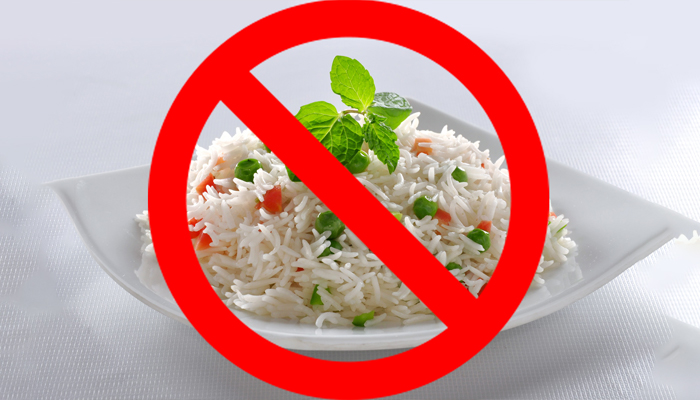
When you ask people if they eat rice, most of them will answer with a resounding "yes".
Rice is by far the most popular food in the world, so why is it that we should avoid this humble staple? The answer will shock you. The truth about rice has been buried for decades, and nobody knows about it. If we had to guess the worst thing that can happen to your body when eating rice, we would say it's cirrhosis of the liver (leukaemia in some cases). But there are much more serious side effects – high cholesterol and heart disease. This guide will break down all your risks associated with eating a bowl of white grains every day! So read on…
Rice is a grain that grows in the wild. It is the staple food of nearly all cultures. The word "rice" comes from India, where it was first domesticated thousands of years ago. Rice is a beautiful grass that has large clusters of white grains (called grains), with darker stripes on top. When harvested, the grains are separated and cleaned in huge piles by hand. These stacks must be refilled as fast as they can be filled with more dirt and plants to prevent rotting because once they've been milled they cannot be used again (they are damaged too much). So what is so bad about these grains? Well, if you eat the whole grain thing will get very complex…

Rice grains have many vital nutrients, but when re-processed into a "white" product, they lose some of their nutrition value. If you are willing to risk your health and the environment, here is a list of vitamins and minerals found in rice:
Vitamin A – 518 mcg or 2286% RDA (for adults)
Vitamin B1 – 0.17 mg or 94% RDA
Vitamin B2 – 0.24 mg or 106% RDA
Vitamin B3 – 0.08 mg or 37% RDA and 100% DV for women and men respectively (likely too much)
Vitamin B5 – 0.88 mg or 39% RDA
Vitamin E – 0.33 mg or 15% RDA
Magnesium – 1.6 mg or 23% RDA and 100% DV for women and men respectively (likely too much)
Calcium – 62.9 mg or 2769% RDA
Iron – 0.15 mg or 87% RDA (likely too much)
Phosphorus – 1020 mg or 1205% RDA To put that into perspective, one serving of cooked rice has 2.8 times the Vitamin A and 1.6 times the magnesium found in a serving of spinach!
After you strip all this valuable nutrition from rice, what's left? Not much – Let's look at some of the "goods" in rice:

Rice grains do not have any nutritional value. They are made entirely of glucose (grain) and starch (starch). To give you an idea of how much starch is found in rice, it takes more than 20 pounds per cup of cooked rice (a cup being cooked rice, about two point two inches across). There is no fibre which may be beneficial for your health because some fibre may help lower cholesterol and control blood sugar levels as well as prevent diseases such as diabetes.
White rice is not a carbohydrate food. It is a starch that comes from the grain of rice. The conversion of the rice into white powder creates a substance that can damage your arteries and heart, by thickening and hardening the blood in vessels around your body. White rice has been stripped of nearly all its nutritional value and turned into a substance that your body does not recognize (and therefore cannot process). It is difficult for you to digest because it does not offer your body any valuable nutrition. White rice inhibits healthy digestion by closing off the small intestine and preventing the absorption of vital nutrients. It should be noted that when the body cannot digest food, it begins to build up inside the large intestine (intestines) and can eventually lead to a painful bowel movement. These undigested items can cause more harm than good, especially when processed as starch.

The problems with white rice don't end there. It is known to aggravate nutritional deficiencies, cause malabsorption of minerals, disrupt immune system function, and interfere with hormone regulation. There have also been concerns about high levels of arsenic in rice – depending on the type of rice and how it is grown, the levels can be extremely high! Some food experts have said that white rice may not be as healthy as we thought it was. White rice is classified as an empty carbohydrate, which means it is a food with low nutrient content and has very little to offer.
In conclusion, white rice should be avoided. It has more bad than good, and it will hurt your body more than help it. If you must eat it, we recommend that you eat brown rice instead. Brown rice is a healthy alternative to its more popular sibling because the bran and germ have not been removed (this keeps its nutritional value intact), making this type of rice much healthier than its white counterpart.


Gluten-free diets in the United States have grown over the past decade, with a sharp increase in celiac disease cases. What many don't know is that gluten can impact people who are not diagnosed as celiac, and potentially lead to mental health disorders like depression and ADHD. You may have noticed some of these symptoms, but you may not understand that they could be related to an allergy or intolerance to gluten. In this blog post, we will explore what gluten is and how it can affect our bodies, as well as which foods contain it. We'll also discuss what an elimination diet is and how you can do one to determine if you should avoid gluten even if your symptoms are less obvious than those experienced by someone with celiac disease.

Gluten is a protein that's found in barley, rye, and wheat. It was originally used as a dough conditioner, but it has been discovered in the last 100 years that gluten in some foods can cause an immune reaction. When you eat foods with gluten in them, your body recognizes it as a foreign substance and sends an immune response to attack it. This can result in chronic intestinal disorders like celiac disease and non-celiac gluten sensitivity (NCGS). People who are not diagnosed with celiac disease but have symptoms similar to those of celiac disease may also be sensitive to gluten.

Gluten affects the digestive system and may negatively impact the immune system. This can then lead to symptoms like irritable bowel syndrome, abdominal pain, bloating, headaches, and fatigue. If you have these symptoms and suspect gluten may be the culprit, you should visit your primary care physician (PCP) for a referral to a gastroenterologist so they can test you for celiac disease or NCGS.
However, even if you are not diagnosed with either of those conditions there is good evidence that avoiding gluten can improve symptoms of other health disorders or diseases. This has led to an increase in gluten-free foods, which has made it easier than ever before to eliminate gluten from our diets.

Much of the gluten-free products out there are very tasty, and often you can find gluten-free versions of common foods like bread and pasta. Studies have shown that when people go gluten-free, they spend more money on gluten-free products, they get up to 28% more exercise, and they improve their mood by reporting lower levels of fatigue.
Although food manufacturers offer gluten-free options, surprisingly not all restaurants do. Many restaurants use wheat in making sauces and fillings even though it is not listed on the ingredients label. You may have noticed many of your favourite restaurants add wheat or barley flour to sauces and gravies for added flavour. You should make sure to ask the chef about the ingredients in dishes or sauces, and if you're uncertain about a restaurant's policy on gluten, you can contact them ahead of time. Stay healthy and happy eating!

Are you doing the right kind of aerobics? If you're not, you might not be getting the most out of your workout. But don't worry – this blog is here to help! It's easy to find what type of aerobic exercise is best for your needs and goals.

So.. What Is Aerobic Exercise?
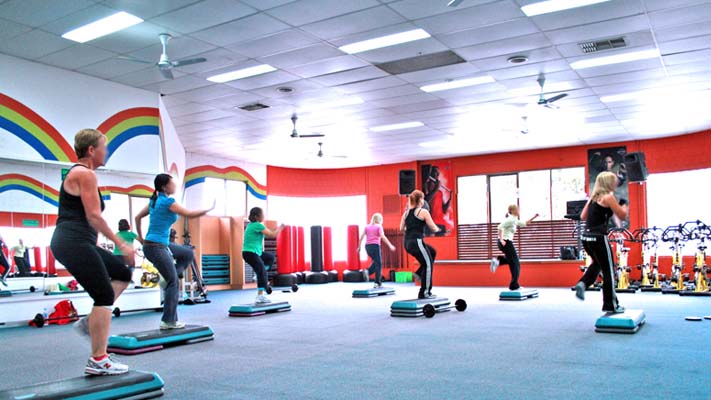
Aerobic exercise is any type of exercise that can increase your heart rate for some time. This includes aerobic activities, cardiovascular (endurance) exercises, and even strength training.
Endurance Exercise vs. Strength Training
Strength training and strength conditioning exercises involve muscles that use short bursts of energy, such as those used in anaerobic exercise (generally, a period less than 1 second). Endurance training or endurance conditioning involves both larger muscle groups and higher-intensity activities that do not include as many short bursts of energy as are used in anaerobic exercise.

Why Is Aerobic Exercise So Great?
If you're not already adding aerobic exercise to your fitness routine, here are a few reasons why you should:
1) Aerobic Exercise Can Improve Your Health… And Maybe Even Lengthen Your Life! – In addition to boosting overall fitness and endurance, aerobic exercise helps reduce the risk of certain diseases such as heart disease. It can also reduce the risk of other diseases including stroke, breast cancer, colon cancer, diabetes, and osteoporosis while helping improve your quality of life. It may even save your life by reducing high blood pressure. 2) Aerobic Exercise Can Help You Lose Weight! – Combining aerobic exercise with a healthy diet can help you burn more calories. This is essential for weight loss!
3) Aerobic Exercise Can Keep Your Mind Sharp! – It has been shown that aerobic exercise can actually "cleanse" your brain by improving the flow of oxygen-rich blood to your brain. Not only that, but aerobic exercise can also help you have a better memory and ability to focus on certain tasks.
4) And It Burns Calories Like Crazy! – If you've ever wondered why people like Oprah or Michelle Obama continue to get those famous arm muscles, it's because they engage in weight training workouts that are ideal for building muscle toning and strength. Aerobic exercise burns calories, which will also help you achieve your weight loss goals!

5) There Are So Many Kinds of Aerobic Exercise To Choose From… No Matter Your Fitness Level! – You can incorporate aerobic exercise into your workout routine in several different ways. You can walk, run, jog, bike ride (indoors or outdoors), swim, and even dance. The options are endless – the best part is that you get to choose how to do it.
Hopefully, now you're well-informed on what aerobic exercise is and why it's so great for your health! Remember to talk with a doctor before beginning an exercise program. Always start at a level that works for your body and build up from there.