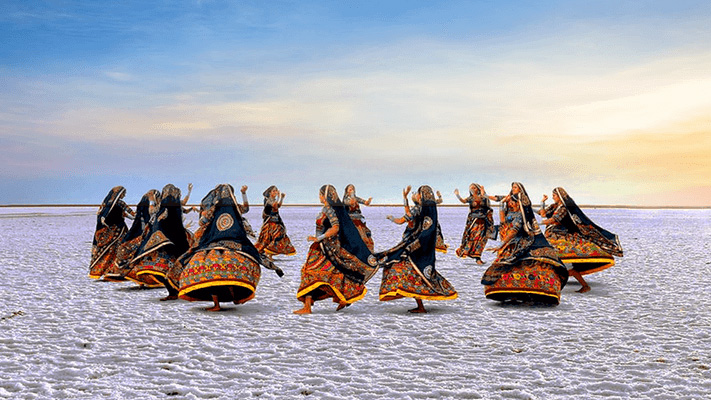
The Rann of Kutch is a seasonal salt marsh located in the Thar Desert of the Kutch district in Gujarat, India. It is the largest salt desert in the world, spanning over an area of approximately 7,500 square miles (19,000 square kilometers). During the monsoon season, the Rann of Kutch gets submerged in water, making it a breeding ground...
The Rann of Kutch is a seasonal salt marsh located in the Thar Desert of the Kutch district in Gujarat, India. It is the largest salt desert in the world, spanning over an area of approximately 7,500 square miles (19,000 square kilometers).

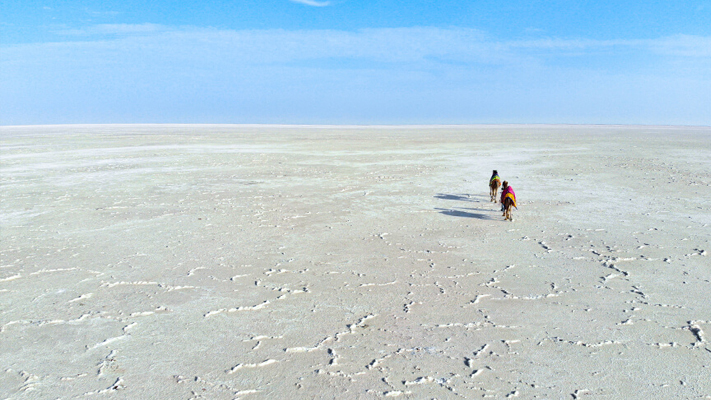
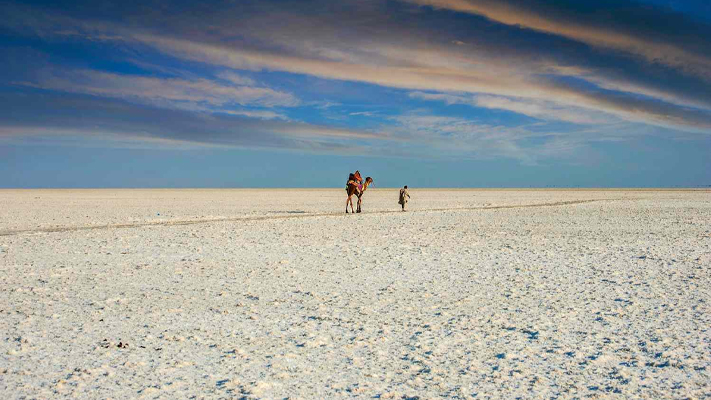
During the monsoon season, the Rann of Kutch gets submerged in water, making it a breeding ground for flamingos and other migratory birds. In winter, the water recedes, leaving behind a vast expanse of white salt flats, creating a surreal landscape that is a photographer’s dream.
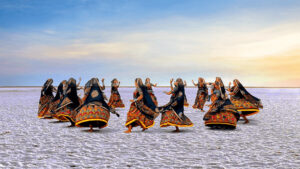
The Rann of Kutch is also home to a vibrant cultural heritage, with numerous tribes and communities living in the region, such as the Kutchi people, Rabaris, Ahirs, and others. The region is known for its intricate handicrafts, including embroidery, block printing, and tie-dye textiles.
Moonlight Views
The moonlight views in the Rann of Kutch are absolutely breathtaking and a must-see for visitors. The white salt desert reflects the moonlight in a way that creates a surreal and almost otherworldly atmosphere. During a full moon night, the Rann of Kutch is transformed into a magical landscape, with the salt crystals glowing under the moonlight. Visitors can take a moonlit walk on the salt desert, go on a camel safari, or simply sit back and enjoy the stunning views. Moonlight views are especially popular during the Rann Utsav, as the festival organizers arrange special night tours for visitors to experience the beauty of the Rann under the moonlight. The moonlight views are an unforgettable experience and a must-see for anyone visiting the Rann of Kutch.

What Makes it Special as a Tourist Destination
The Rann of Kutch is a special tourist destination for several reasons:
1. Unique landscape: The Rann of Kutch is the largest salt desert in the world, offering a surreal landscape of white salt flats that stretches as far as the eye can see. The barren land and the stark beauty of the region make it a unique and unforgettable destination.
2. Cultural diversity: The Rann of Kutch is home to several tribal communities, each with their distinct cultural identity and heritage. The region is known for its vibrant and colorful handicrafts, including embroidery, block printing, and tie-dye textiles. Visitors can explore the region’s rich cultural diversity and interact with the locals to learn more about their way of life.
3. Wildlife: The Rann of Kutch is a breeding ground for flamingos and other migratory birds, making it a haven for birdwatchers and nature enthusiasts. Visitors can witness the spectacle of thousands of flamingos taking flight against the backdrop of the white salt flats.
4. Festivals: The Rann of Kutch hosts the Rann Utsav, a vibrant cultural festival that celebrates the region’s cultural diversity and heritage. The festival offers a range of activities, including traditional dance performances, camel rides, handicraft bazaars, and more.
Experiences for Tourists
The Rann of Kutch offers a range of experiences for tourists, including:
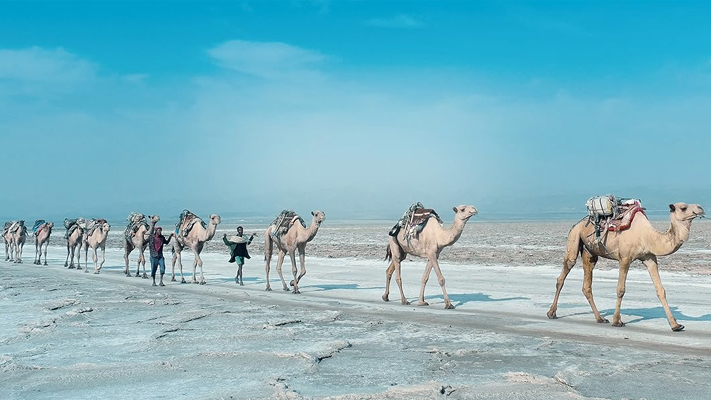
1. Camel safaris: Explore the vast expanse of the salt flats on a camel safari, which offers a unique and unforgettable way to experience the beauty of the region.
2. Birdwatching: The Rann of Kutch is home to a diverse range of bird species, including flamingos, pelicans, cranes, and more. Birdwatchers can witness these magnificent creatures in their natural habitat.
3. Cultural experiences: The Rann of Kutch is known for its vibrant cultural heritage, and visitors can experience this through various activities such as visiting local villages, interacting with tribal communities, and exploring local handicraft bazaars.
4. Festival celebrations: The Rann Utsav is a cultural festival held every year between November and February, celebrating the region’s cultural diversity and heritage. Visitors can enjoy traditional dance performances, music, handicrafts, and more.
5. Stargazing: The Rann of Kutch is known for its clear skies, making it an ideal destination for stargazing. Visitors can witness the spectacular sight of millions of stars twinkling against the backdrop of the white salt flats.
6. Adventure sports: The Rann of Kutch offers a range of adventure sports, including ATV rides, parasailing, and more, making it an ideal destination for thrill-seekers.

Top Attractions and Must Visit Places
Here are some of the top attractions and must-visit places in and around the Rann of Kutch:
1. The Great Rann of Kutch: The largest salt desert in the world, the Great Rann of Kutch is a must-visit destination for its unique landscape and stunning natural beauty.
2. Kala Dungar: Also known as the Black Hill, Kala Dungar offers panoramic views of the Rann of Kutch and is a popular spot for watching the sunset.
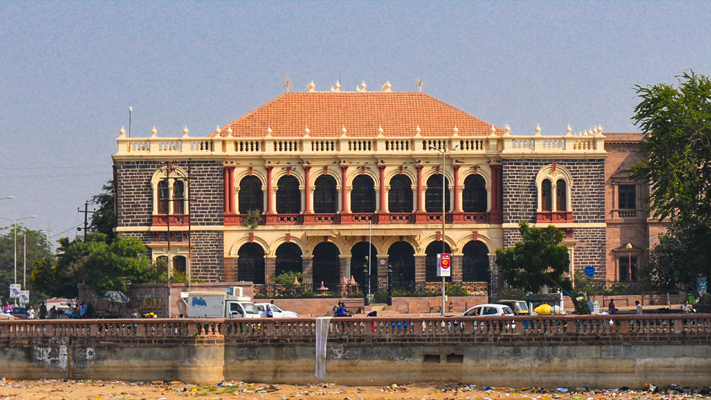
3. Kutch Museum: Located in Bhuj, the Kutch Museum houses a collection of artifacts and exhibits that showcase the region’s rich cultural heritage.
4. Aina Mahal: Built in the 18th century, the Aina Mahal is a palace that features intricate mirror work, glass work, and other forms of decorative art.
5. Mandvi Beach: Located on the coast of the Arabian Sea, Mandvi Beach is a popular destination for swimming, sunbathing, and water sports.
6. Vijay Vilas Palace: A beautiful palace located in Mandvi, the Vijay Vilas Palace is known for its stunning architecture and expansive grounds.
7. Narayan Sarovar: A sacred lake located in the Lakhpat Taluka of Kutch, Narayan Sarovar is a pilgrimage site for Hindus and is believed to be the source of the river Saraswati.
8. Kutch Desert Wildlife Sanctuary: The Kutch Desert Wildlife Sanctuary is home to a variety of wildlife species, including the Indian wild ass, desert fox, and various bird species.
These are just a few of the many attractions and must-visit places in and around the Rann of Kutch. Visitors can also explore local villages, interact with tribal communities, and enjoy the region’s vibrant cultural heritage and traditions.
Best Time to Visit
The best time to visit the Rann of Kutch is during the winter months from November to February, when the weather is cool and pleasant with temperatures ranging from 12°C to 25°C. During this time, the salt desert is at its best, and visitors can enjoy various activities such as desert safaris, camel rides, and cultural events.
One of the most popular events that takes place during this time is the Rann Utsav, a cultural festival that showcases the region’s rich cultural heritage and traditions. The festival typically runs from November to February and includes a variety of events such as music and dance performances, handicraft exhibitions, and local food festivals.
Visitors should avoid traveling to the Rann of Kutch during the monsoon season, which runs from June to September, as the area experiences heavy rainfall and is prone to flooding. The summer months from March to May are also not ideal for visiting, as temperatures can soar up to 45°C, making it difficult to explore the region.

How to Reach
The Rann of Kutch is located in the western state of Gujarat in India. Here are some of the ways to reach the region:
1. By Air: The nearest airport to the Rann of Kutch is the Bhuj Airport, located about 70 km away. Regular flights connect Bhuj to major cities in India such as Mumbai, Delhi, and Ahmedabad.
2. By Train: The nearest railway station is the Bhuj Railway Station, which is well-connected to major cities in India such as Mumbai, Ahmedabad, and Delhi. From Bhuj, visitors can hire a taxi or take a bus to reach the Rann of Kutch.
3. By Road: The Rann of Kutch is well-connected by road, with regular bus services operating from major cities in Gujarat such as Ahmedabad, Rajkot, and Bhuj. Visitors can also hire a taxi or self-drive to reach the region.
Once in the region, visitors can explore the Rann of Kutch on foot, take a camel ride, or go on a desert safari to experience the unique landscape and culture of the region.
Shopping at the Rann of Kutch
The Rann of Kutch is a popular destination for shopping, as the region is known for its vibrant handicrafts and textiles. Here are some of the best things to buy while shopping in the Rann of Kutch:
1. Embroidery: The Kutch region is famous for its intricate embroidery work, which is done on fabrics such as silk, cotton, and wool. Visitors can buy a range of embroidered products, including clothing, home decor items, and accessories.
2. Handicrafts: The Rann of Kutch is home to several traditional communities, each with their own unique handicrafts. Visitors can buy a range of handmade products, including pottery, woodwork, and leather goods.
3. Textiles: The Kutch region is also known for its beautiful textiles, including bandhani (tie-dye) and ajrakh (block-printed) fabrics. Visitors can buy a range of textiles, including saris, shawls, and scarves.
4. Jewelry: The Rann of Kutch is also known for its traditional jewelry, including silver and beaded jewelry. Visitors can buy a range of jewelry, including necklaces, bracelets, and earrings.
5. Souvenirs: Visitors can also buy a range of souvenirs, including postcards, keychains, and magnets, as well as local spices, tea, and snacks.