‘TO KILL A TIGER’ REVIEW: BRAVERY AND DILEMMAS IN A RAPE SURVIVOR’S BATTLE FOR JUSTICE
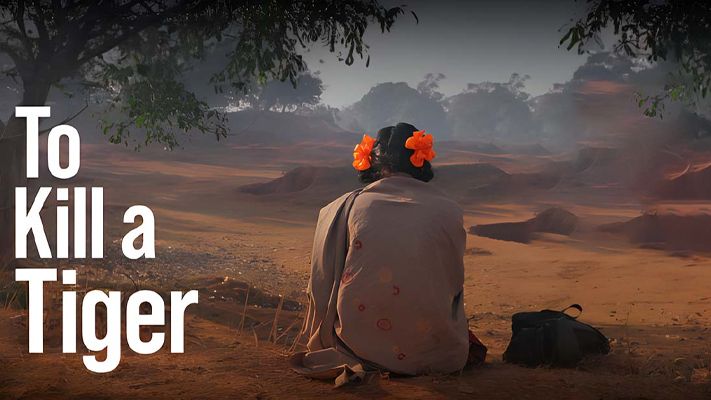
Nisha Pahuja’s Oscar-nominated documentary, “To Kill a Tiger,” now streaming on Netflix, unfolds the harrowing tale of an Adivasi farmer in Jharkhand as he fights relentlessly for justice for his daughter, a survivor of sexual assault. Beyond the monumental mission of the father, Pahuja’s film delves into the complexities of intervening in a just cause and the ethical dilemmas that...
Nisha Pahuja’s Oscar-nominated documentary, “To Kill a Tiger,” now streaming on Netflix, unfolds the harrowing tale of an Adivasi farmer in Jharkhand as he fights relentlessly for justice for his daughter, a survivor of sexual assault. Beyond the monumental mission of the father, Pahuja’s film delves into the complexities of intervening in a just cause and the ethical dilemmas that ensue.
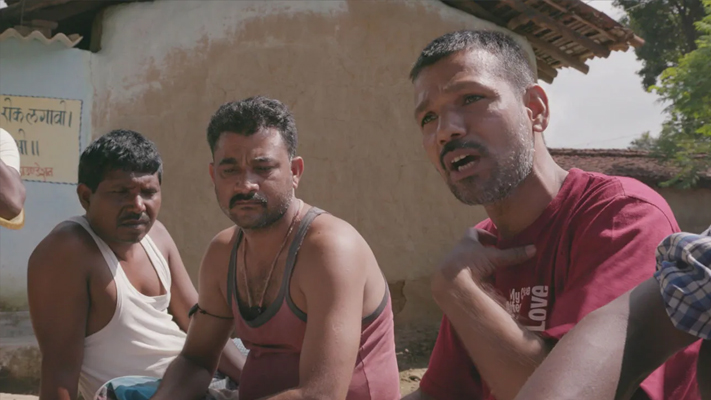
The 127-minute documentary centres around the gang-rape of a 13-year-old girl in a Jharkhand village in 2017. Despite facing immense opposition from neighbors and villagers, the girl’s parents bravely filed a police complaint. Through the lens of the affected family, the film sheds light on deep-seated misogyny while also navigating an ethical minefield.
While well-intentioned and insightful, “To Kill a Tiger” ventures into controversial territory by revealing the survivor’s face, identified as Kiran, although her name has been changed, asserting that she is now an adult. This decision contradicts the Protection of Children from Sexual Offences (POCSO) Act, which prohibits revealing the identity of a child rape survivor without the special court’s permission. To circumvent this, Pahuja shifts the focus to the father, a slim, gentle-faced man of immense strength, making him the film’s hero.
The documentary, filmed over three years after the assault, covers the trial under the POCSO Act, which led to the three accused receiving 25-year prison sentences. Throughout, Kiran’s uncommon bravery shines through, even as the film highlights the father’s unwavering determination.
The film also delves into the suggestion of “compromise” made to Kiran’s parents – marrying her to one of the rapists to salvage community honor. It exposes the societal pressures and threats faced by the family, compounded by their association with the Srijan Foundation, an NGO that supports their legal battle.
“To Kill a Tiger” adds complexity by exploring the foundation’s involvement, showcasing the tensions caused by outsiders advocating for justice within a close-knit community resistant to change. Scenes of Srijan activists lecturing villagers on gender justice, while earnest, also reveal the challenges of introducing unfamiliar concepts in entrenched social structures.
However, the film stops short of offering solutions, leaving viewers grappling with the complexities and ambiguities of justice and intervention. The crew’s presence, at times protective and at others resented, adds layers to the narrative, highlighting the risks and backlash faced by those fighting for justice.
Moments of confrontation, threats, and victim-shaming remarks by the female defense lawyer create a poignant backdrop for Kiran’s battle. “To Kill a Tiger” ultimately reflects on the collective responsibility of a community in denying a child the justice she deserves.
In its title, inspired by an anecdote shared by the father, the film encapsulates the spirit of defiance against insurmountable odds. As the father declares, “I will show you how it is done.” Yet, the truth, as depicted in the documentary, proves to be far more intricate and nuanced, leaving viewers with lingering questions and reflections long after the credits roll.
There is nothing better than traveling. Visitors will enjoy exploring everything from scenic landscapes to historic landmarks. Mumbai, the city that never sleeps or the city of dreams, is home to thousands of people who come to live out their fantasies and aspirations during the monsoon season, and there are several weekend retreats to take advantage of and unwind in....
There is nothing better than traveling. Visitors will enjoy exploring everything from scenic landscapes to historic landmarks. Mumbai, the city that never sleeps or the city of dreams, is home to thousands of people who come to live out their fantasies and aspirations during the monsoon season, and there are several weekend retreats to take advantage of and unwind in. You might visit any of the nearby hill stations, animal sanctuaries, religious sites, or adventure destinations in the city of Mumbai. The awe-inspiring natural beauty of Mumbai and its surroundings is awe-inspiring. As a result, we’ve compiled a list of some fun weekend getaways in the Mumbai area.
Lonavala
Lonavala is 88 kilometers away from Mumbai. It is a popular tourist destination in the Mumbai area. It’s often regarded as the ideal place to spend a long weekend close to Mumbai.
List of Lonavala Attractions:
Fortresses, lakes, and verdant gardens should be on the itinerary of anybody visiting this region. During your stay here, be sure to explore the area’s many temples and caverns. The Karla caves, Bhushi dam, Ryewood Park, and Tamhini ghat are only a few of the attractions.
Eat the local delicacies while you’re at Lonavala. Experience the adrenaline rush of numerous risky sports while also being moved by the old forts and legends of the area.
Mahabaleshwar
In terms of distance, Mumbai is 231.2 km away. Hill stations in and around Mumbai are legendary, and this is one of them. It’s the ideal location for a relaxing weekend. Visit Pratapgarh Fortress, Veena lake, and monkey point for a day trip.
Things to do: The strawberries from this area are not to be missed. The echoes of their shouts could be heard high on a hill.
Karjat
62.3 KM is the distance from Mumbai. Located in the Ulhas River Basin, the area is known for its waterfalls and beautiful green landscapes.
Karjat has a variety of natural attractions, such as waterfalls and lakes with glistening water. It is possible to see caverns such as Kondana and Bahiri, as well as the Kondeshwar temple.
Karjat is a haven for thrill-seekers and adventurers alike. It’s possible to enjoy river rafting, rappelling, and hiking in the area.
Shirdi
Shirdi is a distance of 241.3 kilometers from Mumbai. It is revered as a holy location and draws throngs of pilgrims from all over the world. In this spot, Shri Sai Baba gave his final sermon and died. It’s the ideal destination for a vacation that provides both mental and spiritual rejuvenation.
People of Shani Shingnapur, a hamlet in Shirdi, don’t have doors on their homes because they’re not frightened of robbers. You may participate in the morning and evening prayers at Shirdi. The trust also provides a free dining service for its members.
Pench National Park
Distance from Mumbai: 928.7 kilometers. Madhya Pradesh and Maharashtra are the closest states to it in terms of location. Animals like Barking deer, Wild Boar, Sambar, Blue Bull, tigers, and panthers should be visible, as should many other rare and endangered species.
Among the many things to do at Pench National Park are a jungle safari and staying in the park’s luxurious campgrounds.
Pune
The distance between Mumbai and Pune is about 148 kilometers. It is a more popular destination for students, and the city is home to many prestigious universities. The city’s restaurants and nightlife draw travelers from all over the world, and they’ll be talking about it for years.
Visit the wax museum, the Aga Khan Palace, and the Dagadusheth Halwai Ganapati Temple while in Pune.
Pune has a lot to offer tourists:
Trekking and other adventurous activities may be done here to the fullest extent. The finest misal pav in the area may be found here.
So, if you have recently shifted to Mumbai then you can always have the chance to visit these lovely places. Do not worry about the lonely weekends anymore.
TIPS FOR A GREAT GOA ADVENTURE FOR FIRST TIME TRAVELLERS!
Embark on Your First Goa Adventure! Are you gearing up for your maiden voyage to Goa? This vibrant coastal paradise in India beckons with its golden beaches, azure waters, and a rich tapestry of culture and history. To ensure you make the most of your trip, we’ve compiled ten essential tips to guide you through the best experiences Goa has...
Embark on Your First Goa Adventure!
Are you gearing up for your maiden voyage to Goa? This vibrant coastal paradise in India beckons with its golden beaches, azure waters, and a rich tapestry of culture and history. To ensure you make the most of your trip, we’ve compiled ten essential tips to guide you through the best experiences Goa has to offer. From savoring mouthwatering Goan cuisine to exploring hidden beaches and witnessing breathtaking sunsets from ancient forts, get ready for an unforgettable journey!
1. Best Time to Visit:
Timing is everything when it comes to visiting Goa. The perfect window is from mid-October to mid-March, right at the cusp of the season. During this period, the weather is delightful, the crowds are thinner, and you can snag fantastic deals on accommodations. It’s an ideal time to explore without the hustle and bustle of peak tourist season.
2. Savor Goan Cuisine:
Goa’s culinary scene is a delightful fusion of flavors from around the world. Influenced by Arab, Portuguese, French, Brazilian, African, Chinese, Konkan, and Malabar cuisines, every meal is an adventure for your taste buds. Must-try dishes include the tangy and spicy pork vindaloo, the iconic Goan fish curry with its rich coconut gravy, and the decadent layered dessert, bebinca. While you’re at it, sample the local favorite, Feni, a potent liquor made from cashew apples or coconut sap. Just remember to sip slowly!
3. Explore on Two Wheels:
To truly immerse yourself in the laid-back Goan vibe, rent a bike or scooter. This not only gives you the freedom to explore the nooks and crannies of the region but also saves you money on transportation. The well-maintained roads and scenic routes make biking a popular choice among travelers. Whether you’re cruising along the coastline or winding through picturesque villages, the journey is just as enchanting as the destination.
4. Thrilling Activities:
After lounging on the sun-kissed beaches, it’s time to kick up the adrenaline with some thrilling water sports. Goa offers a plethora of options for adventure enthusiasts. Dive into the crystal-clear waters for scuba diving adventures, feel the rush of wind while windsurfing, or soar high above the waves with exhilarating parasailing. Jet skiing, kayaking, and snorkeling are also popular choices. Make sure to tick off a few of these heart-pounding activities from your list!
5. Off-the-Beaten-Path Beaches:
While the famous beaches like Vagator, Baga, Calangute, and Candolim are undoubtedly stunning, consider venturing off the beaten path for a more serene experience. Discover hidden gems such as Butterfly Beach, a secluded cove surrounded by cliffs and dense forests. Kakolem Beach, also known as Tiger Beach, offers a rugged coastline and pristine waters perfect for a quiet retreat. Mobar Beach and Hollant Beach are other lesser-known spots where you can unwind in solitude, away from the crowds.
6. Sunset Views from Goa Forts:
Goa’s history is etched in its majestic forts, which not only stand as relics of the past but also offer breathtaking views of the Arabian Sea. Climb up to the ramparts of Chapora Fort, made famous by the Bollywood movie “Dil Chahta Hai,” and watch the sun dip below the horizon in a blaze of colors. Aguada Fort, with its panoramic vistas and towering lighthouse, provides a picturesque backdrop for the setting sun. Reis Magos Fort, perched on the northern bank of the Mandovi River, offers a tranquil setting to witness nature’s evening spectacle.
7. Flea Market Shopping:
Dive into the vibrant and eclectic world of Goa’s flea markets, where you’ll find an array of treasures waiting to be discovered. From colorful sarongs and bohemian clothing to intricate handicrafts and funky jewelry, these markets are a shopper’s paradise. Don’t forget to haggle for the best deals and soak in the lively atmosphere filled with music, street performances, and mouthwatering street food. Anjuna Flea Market, held every Wednesday, and the Saturday Night Market in Arpora are must-visit destinations for a unique shopping experience.
8. Explore Old Goa’s Heritage:
Step back in time and explore the rich history of Old Goa, the former capital of Portuguese India. This UNESCO World Heritage site is home to some of the most magnificent churches and cathedrals in Asia. Visit the Basilica of Bom Jesus, a 16th-century marvel known for housing the mortal remains of St. Francis Xavier. Admire the exquisite baroque architecture of Se Cathedral, one of the largest churches in Asia. The Church of St. Cajetan, with its striking resemblance to St. Peter’s Basilica in Rome, is another architectural gem not to be missed.
9. Best Place to Stay:
Choosing the right accommodation can enhance your Goa experience. For first-time visitors seeking a blend of relaxation and convenience, Candolim in North Goa is an excellent choice. This bustling beach town offers a mix of luxurious resorts, cozy guesthouses, and beachfront villas. With its pristine sandy beaches, vibrant beach shacks serving fresh seafood, and a lively nightlife scene, Candolim ensures a memorable stay.
10. Spice Plantation Tours:
Take a sensory journey through Goa’s lush spice plantations, where fragrant spices like cardamom, cloves, cinnamon, and nutmeg thrive. Embark on a guided tour to learn about the cultivation methods and medicinal properties of these aromatic treasures. Visit Savoi Spice Plantation, a 200-year-old plantation nestled in the foothills of the Western Ghats, and witness traditional farming techniques. Enjoy a traditional Goan feast prepared with organic produce and savor the flavors of authentic Goan cuisine.
With these insider tips in hand, your first trip to Goa promises to be an immersive and unforgettable experience. From indulging in delectable cuisine to discovering hidden gems and soaking in the rich history, Goa welcomes you with open arms. Get ready to create lifelong memories in this tropical paradise!
5 OF THE MOST BEAUTIFUL WATERFALLS IN INDIA – FOR A SOUL UPLIFTING EXPERIENCE
Waterfalls in India are a mesmerizing natural wonder that draws travelers from all over the world to experience their stunning beauty. From the cascading waters of Jog Falls in Karnataka to the lush greenery surrounding Dudhsagar Falls in Goa, India boasts a diverse range of waterfalls that are both majestic and serene. Whether it’s the thrill of the powerful Nohkalikai...
Waterfalls in India are a mesmerizing natural wonder that draws travelers from all over the world to experience their stunning beauty. From the cascading waters of Jog Falls in Karnataka to the lush greenery surrounding Dudhsagar Falls in Goa, India boasts a diverse range of waterfalls that are both majestic and serene. Whether it’s the thrill of the powerful Nohkalikai Falls in Meghalaya or the peacefulness of Bhagsu Falls in Himachal Pradesh, each waterfall offers a unique and unforgettable experience for visitors. Whether you’re a nature lover, adventure seeker, or simply looking for a relaxing retreat, waterfalls in India have something for everyone to enjoy.
India is home to some of the most breathtaking waterfalls in the world. Here are five of the most beautiful waterfalls in India:
1. Jog Falls
Jog Falls is a famous waterfall located in the Shimoga district of Karnataka in India. It is one of the highest waterfalls in India, cascading down from a height of 829 feet. Here’s what makes Jog Falls so special:
1. Height: Jog Falls is known for its impressive height and is often referred to as the ‘Niagara Falls of India’.
2. Scenic beauty: The falls are surrounded by lush greenery and offer breathtaking views of the surrounding landscape. The monsoon season, from June to September, is the best time to visit as the water flow is at its peak.
3. Four cascades: The falls consist of four cascades, namely Raja, Rani, Rocket, and Roarer. Each cascade has its unique beauty and charm.
To reach Jog Falls, visitors can take a flight to Mangalore or Bangalore and then take a taxi or bus to reach the falls. The nearest railway station is in Talguppa, which is around 30 km from Jog Falls. From there, visitors can take a taxi or bus to reach the falls. Private taxis and buses are also available from nearby cities such as Shimoga and Sagara. The falls are open to visitors from 9 am to 5 pm, and entry is free of charge.
2. Dudhsagar Falls
Dudhsagar Falls is a four-tiered waterfall located on the Mandovi River in the state of Goa, India. Here are some interesting facts about Dudhsagar Falls:
1. Height: The waterfall has a height of around 1017 feet, making it one of the highest waterfalls in India.
2. Milky white appearance: The name “Dudhsagar” literally means “Sea of Milk” in Hindi, and the waterfall gets its name from the milky white appearance of the water as it cascades down the rocky cliffs.
3. Popular tourist attraction: Dudhsagar Falls is a popular tourist destination in Goa, and visitors can enjoy swimming, trekking, and taking a train ride through the scenic Western Ghats to reach the falls.
4. Natural beauty: The falls are surrounded by lush green forests and offer breathtaking views of the surrounding landscape.
To reach Dudhsagar Falls, visitors can take a train from Madgaon or Kulem railway station in Goa to Dudhsagar railway station. From there, visitors can either trek for around 1.5 hours to reach the falls or take a jeep ride. The falls are open to visitors from 9 am to 5 pm, and there is an entry fee for both Indians and foreigners.
3. Athirapally Falls
Athirapally Falls is a majestic waterfall located in the Thrissur district of Kerala, India. Here are some interesting facts about Athirapally Falls:
1. Height: The waterfall has a height of around 80 feet and is considered to be one of the largest waterfalls in Kerala.
2. Scenic beauty: Athirapally Falls is located in the midst of a dense forest and offers breathtaking views of the surrounding landscape. It is often referred to as the “Niagara Falls of India”.
3. Wildlife sanctuary: The waterfall is located near the Sholayar forest range, which is home to several endangered species of flora and fauna, including the Great Indian Hornbill, the Lion-tailed Macaque, and the Nilgiri Langur.
4. Film location: Athirapally Falls has been featured in several Indian movies, including the Bollywood blockbuster “Baahubali: The Beginning”.
To reach Athirapally Falls, visitors can take a flight to Kochi International Airport or a train to Thrissur railway station. From there, visitors can hire a taxi or take a bus to reach the falls. The falls are open to visitors from 8 am to 6 pm, and there is an entry fee for both Indians and foreigners. Visitors can also enjoy activities like trekking and camping in the surrounding forests.
4. Nohkalikai Falls
Nohkalikai Falls is a beautiful waterfall located near Cherrapunji in the Indian state of Meghalaya. Here are some interesting facts about Nohkalikai Falls:
1. Height: The waterfall has a height of around 1100 feet, making it the tallest plunge waterfall in India.
2. Blue-green water: The water in Nohkalikai Falls appears to be blue-green in color, and the surrounding lush green forest adds to the beauty of the waterfall.
3. Tragic legend: According to local legend, the waterfall is named after a woman named Likai, who jumped off the cliff near the waterfall after her husband killed and cooked their daughter. “Nohkalikai” means “the leap of Likai” in the local language.
4. Popular tourist destination: Nohkalikai Falls is a popular tourist destination in Meghalaya and attracts visitors from all over the world. Visitors can enjoy the beautiful views of the waterfall and the surrounding landscape.
To reach Nohkalikai Falls, visitors can take a flight to Guwahati Airport or a train to Guwahati railway station. From there, visitors can hire a taxi or take a bus to reach Cherrapunji. The falls are located around 5 km from Cherrapunji and visitors can trek to the falls from the parking area. The falls are open to visitors throughout the year.
5. Bhagsu Falls
Bhagsu Falls is a picturesque waterfall located in the small village of Bhagsu near McLeod Ganj in the Indian state of Himachal Pradesh. Here are some interesting facts about Bhagsu Falls:
Height: The waterfall has a height of around 30 feet and is situated amidst the lush greenery of the Bhagsu village.
Religious significance: The waterfall is considered to be sacred by the local people, who believe that taking a dip in the pool below the waterfall can cleanse the body and soul of sins.
Trekking destination: Bhagsu Falls is a popular trekking destination in the region, and visitors can take a trek from McLeod Ganj to reach the waterfall. The trek is relatively easy and offers beautiful views of the surrounding landscape.
Nearby attractions: Visitors can also visit the nearby Bhagsunath Temple, which is dedicated to Lord Shiva and is a popular pilgrimage site in the region. The village of Bhagsu is also known for its vibrant Tibetan culture and offers a glimpse into the Tibetan way of life.
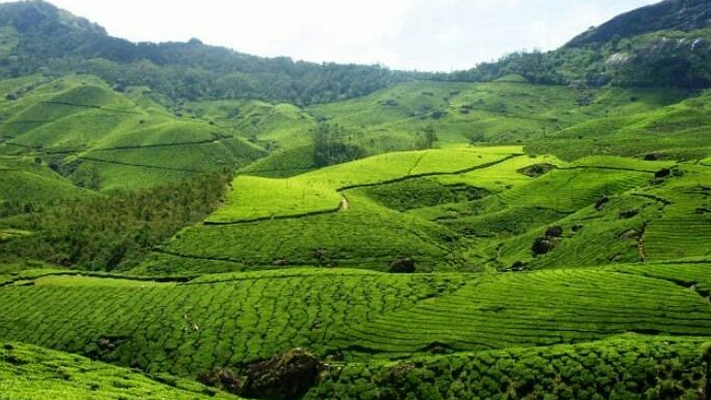
To reach Bhagsu Falls, visitors can take a flight to Gaggal Airport or a train to Pathankot railway station. From there, visitors can hire a taxi or take a bus to reach McLeod Ganj. The falls are located around 1 km from McLeod Ganj and can be reached by a short trek from the Bhagsunath Temple. The falls are open to visitors throughout the year.
THRILL SEEKERS’ PARADISE: THE WORLD’S MOST TERRIFYING ADVENTURE SPORTS AND WHERE TO FIND THEM
If adrenaline runs through your veins and adventure is your middle name, then get ready for a ride on the wild side. For those brave souls who thrive on extreme sports, the world offers a plethora of heart-stopping activities that will leave you breathless and wanting more. 1. Wave Surfing in HawaiiHawaii, with its legendary surf beaches, beckons daredevils...
If adrenaline runs through your veins and adventure is your middle name, then get ready for a ride on the wild side. For those brave souls who thrive on extreme sports, the world offers a plethora of heart-stopping activities that will leave you breathless and wanting more.
1. Wave Surfing in Hawaii Hawaii, with its legendary surf beaches, beckons daredevils for a date with the ocean’s giants. Big-wave surfing in Hawaii is not for the faint-hearted. Every winter, surfers flock to these shores to test their mettle against the Pacific’s towering 40-foot waves, propelled by jet skis into the heart of the action.
2. Shark-Cage Diving in Australia For the ultimate adrenaline rush, head to the Neptune Islands in Australia for a heart-pounding encounter with the ocean’s apex predators – sharks! Dive into the depths of the sea in a metal cage, coming face to face with these majestic yet fearsome creatures for an unforgettable 45 minutes of pure thrill.
3. Ice Climbing in USA or Switzerland Brave the icy heights of mountains with ice climbing, an extreme winter sport reserved for the boldest adventurers. Similar to rock climbing, but on frozen surfaces, climbers equipped with special gear ascend the icy slopes. Beware of avalanches in this high-risk, high-reward endeavor.
4. Free Solo Climbing Venture into the realm of sheer adrenaline with free solo climbing, a nerve-wracking version of rock climbing without any safety gear. Climbers scale daunting heights without ropes or harnesses, relying solely on skill, focus, and sheer determination. Experience the intensity of this extreme sport, depicted vividly in the Hollywood film “Free Solo.”

5. Cliff Diving in Wales Prepare for a leap of faith with cliff diving, one of the most extreme and exhilarating adventure sports. Athletes defy gravity as they twist and somersault from dizzying heights of up to 25 meters. The breathtaking sport finds its stage at the Blue Lagoon in Wales, where only the boldest souls dare to take the plunge.

6. Cave Diving in Mexico and South Australia Embark on an underwater odyssey with cave diving, an extreme sport that plunges you into the depths of the earth’s hidden realms. Only for the most experienced divers, this daring activity explores the mysterious depths of underwater caves. With unknown depths and unseen wonders, cave diving is a test of skill, courage, and unwavering nerves.
7. Bull Running in Spain Step into the surreal world of bull running, an annual spectacle that blurs the lines between fun and danger. In Spain, brave souls dash through the streets alongside charging bulls in a heart-pounding race for survival. Experience the thrill and chaos of this iconic event, famously depicted in the Bollywood hit “Zindagi Na Milegi Dobara.”
Embark on these spine-tingling adventures across the globe, where danger meets exhilaration in a heart-pounding symphony of adrenaline and courage. These extreme sports are not for the faint of heart, but for those who seek to defy limits and discover the thrill of the unknown.